1 / 3
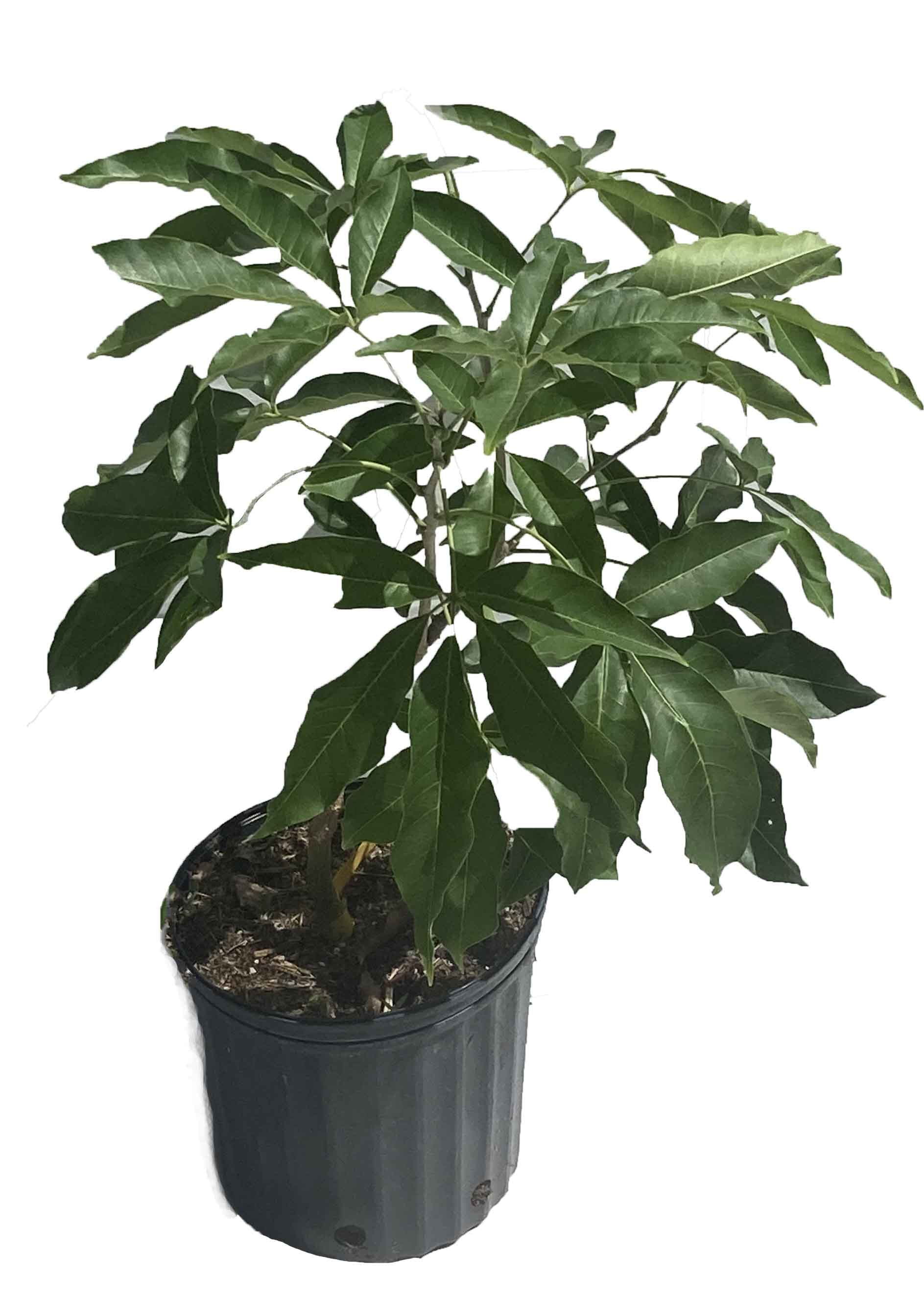
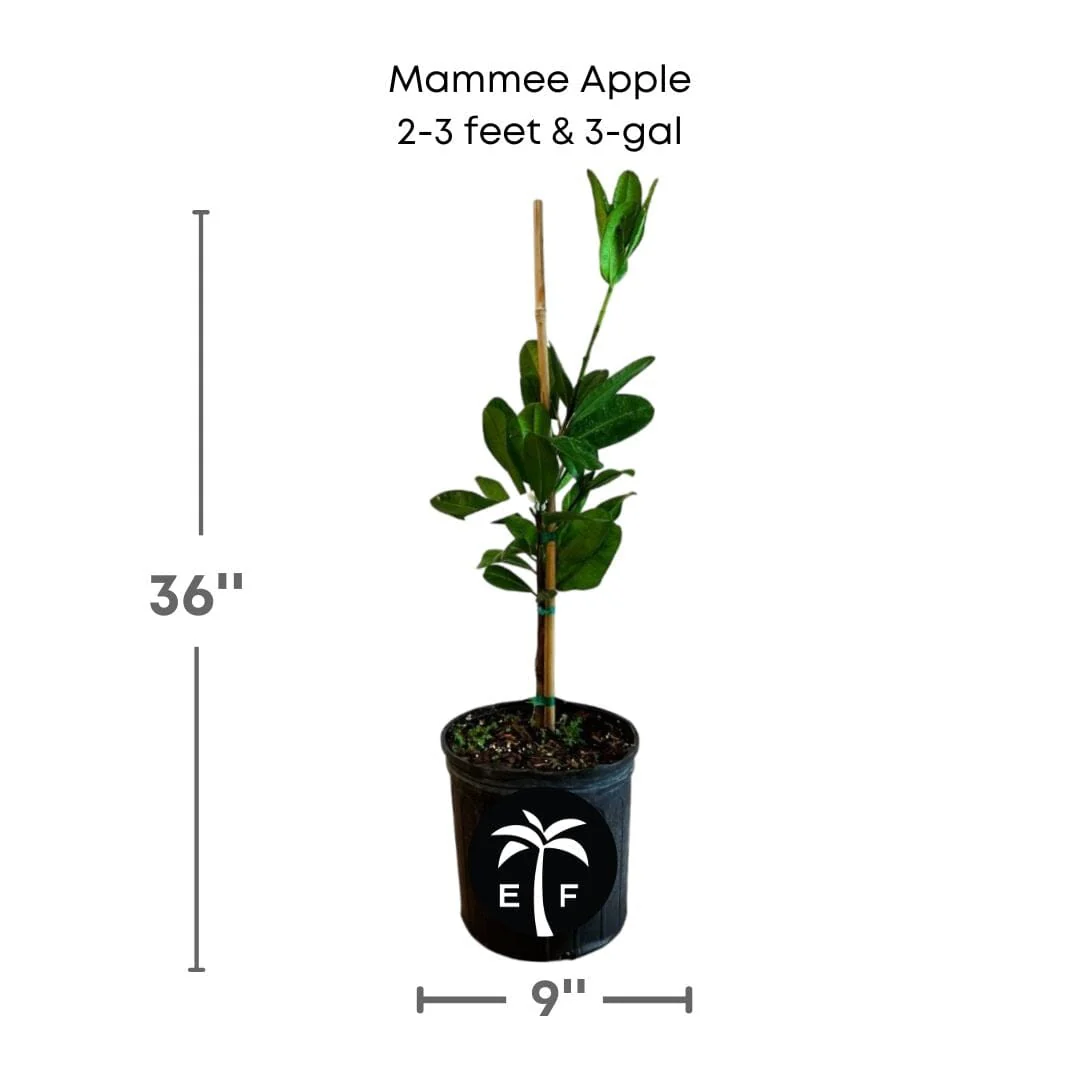
Younghans White Sapote Tree Grafted
A few facts about the White Sapote Younghans Tree
- Taste: Creamy custard-like, subtle sweet with banana, pear, vanilla hints. Richer, creamier banana.
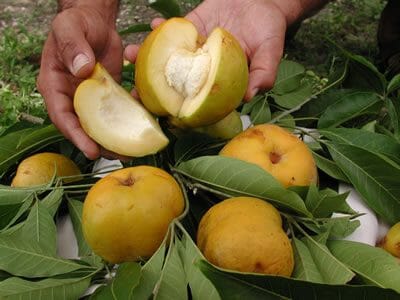
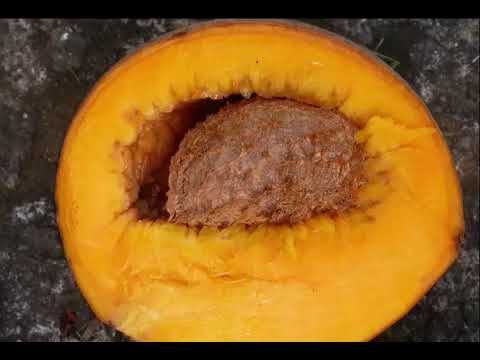
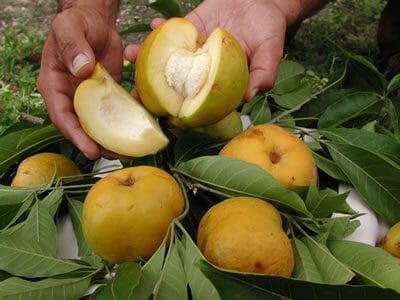
- Appearance: Oval, grapefruit-sized, smooth pale green skin (yellows when ripe), white/yellow flesh, few black seeds.
- Nutrition: Good source of fiber, vitamin C, potassium, low in calories and fat. Potential antioxidant and anti-inflammatory properties.
- Growing: Easier White Sapote variety, more cold-tolerant, thrives in tropics/subtropics, handles short-term cool temperatures.
- Uses: Fresh, smoothies, ice cream, pies, desserts. Leaves/bark used in traditional medicine (limited scientific evidence).
- Cautions: Latex (wear gloves if sensitive), seeds not edible.
A few facts about the White Sapote Younghans Tree
- Taste: Creamy custard-like, subtle sweet with banana, pear, vanilla hints. Richer, creamier banana.
- Appearance: Oval, grapefruit-sized, smooth pale green skin (yellows when ripe), white/yellow flesh, few black seeds.
- Nutrition: Good source of fiber, vitamin C, potassium, low in calories and fat. Potential antioxidant and anti-inflammatory properties.
- Growing: Easier White Sapote variety, more cold-tolerant, thrives in tropics/subtropics, handles short-term cool temperatures.
- Uses: Fresh, smoothies, ice cream, pies, desserts. Leaves/bark used in traditional medicine (limited scientific evidence).
- Cautions: Latex (wear gloves if sensitive), seeds not edible.
$33.23
Original: $94.95
-65%Younghans White Sapote Tree Grafted—
$94.95
$33.23Description
A few facts about the White Sapote Younghans Tree
- Taste: Creamy custard-like, subtle sweet with banana, pear, vanilla hints. Richer, creamier banana.
- Appearance: Oval, grapefruit-sized, smooth pale green skin (yellows when ripe), white/yellow flesh, few black seeds.
- Nutrition: Good source of fiber, vitamin C, potassium, low in calories and fat. Potential antioxidant and anti-inflammatory properties.
- Growing: Easier White Sapote variety, more cold-tolerant, thrives in tropics/subtropics, handles short-term cool temperatures.
- Uses: Fresh, smoothies, ice cream, pies, desserts. Leaves/bark used in traditional medicine (limited scientific evidence).
- Cautions: Latex (wear gloves if sensitive), seeds not edible.